


How to choose your MTB disc brakes?
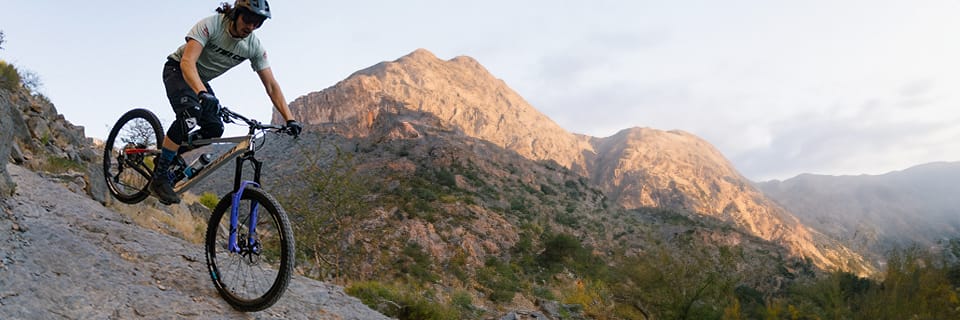
It is important to choose MTB disc brakes in line with your MTB riding style, as they are essential for your safety on the bike. Between standards and types, here is how to find your way.
Standards
- Mounting on your frame / fork: PM or IS
- Disc diameters: 140 mm, 160 mm, 180 mm, 183 mm, 200 mm or 203 mm
- Calliper types: mechanical or hydraulic
- Lever types
TYPES OF DISC BRAKES
Do I need International Standard (IS) A or PostMount (PM) B?
This is the question you will constantly ask yourself when choosing a component for your disc brakes, so it is essential to master the subject! The best way to avoid making a mistake is to measure the centre-to-centre distance between the two mounting points: 51 mm means IS A, 74 mm means PM B.

Regarding the disc diameter, apart from a few rare frames that accept 140 mm, you will have the choice of fitting a MTB disc rotor of 160, 180, 183, 200 or 203 mm using the appropriate calliper adapter (subject to compatibility with your frame's geometry). The smaller the disc, the lighter it is; the larger the disc, the more powerful and effective the braking.
Although most disc brakes are hydraulic, there are mechanical cable-operated systems that allow you to switch to disc brakes at a lower cost. You can keep your V-brake levers to operate them and no bleeding is required as it uses a cable.
Hydraulic disc brakes remain today the most powerful and high-performing system for MTB. You can find callipers with 2 pistons (one on each side of the disc), which are simpler and more compact, therefore more reliable and lighter; or 4-piston versions that spread the braking force over a larger pad surface area and are thus even more powerful.
Levers are distinguished by their adjustment options. Some models offer a reach adjustment; whilst others additionally feature a 'contact point' adjustment. This allows you to increase or decrease the free stroke of the lever, i.e. the point at which the pad makes contact with the disc when you pull the lever.
WHICH DISC BRAKES TO CHOOSE?
Hydraulic disc brakes remain today the best system for MTB. Depending on your riding style, it is mainly the disc diameter that will change — here is what we recommend.
-
Leisure riding
For leisurely rides on a leisure MTB, a standard 2-piston system with 160 mm rotors will be more than adequate.
-
Cross-Country
For Cross-Country rides on your hardtail MTB, the lightest option will generally be preferred. A 2-piston system with 160 mm rotors will therefore be ideal. You may optionally go for levers with a contact point adjustment to set up your brakes to perfection.
-
All-Mountain
On a full-suspension MTB for All-Mountain riding, 2-piston systems are sufficient with 180 mm rotors for maximum power.
-
Enduro
For Enduro riding, it may be worth opting for a 4-piston system on at least the front wheel to handle last-minute braking. Combined with 180 mm rotors, which offer the best weight-to-performance ratio for this discipline.
-
DH / Freeride
In DH / Freeride, the best performance will be achieved with 4-piston brakes and 200 or 203 mm rotors: extreme discipline, extreme values!
Découvrez tous nos conseils & Tutoriels
MTB - Hydraulic Rim Brakes
-

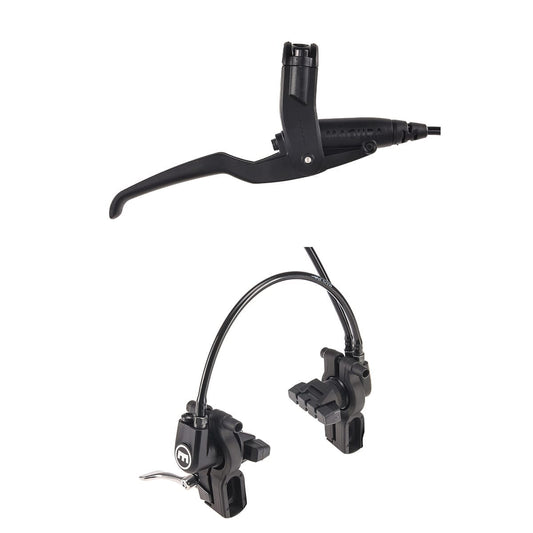
MAGURA HS11 EVO2 Front or Rear Brake Black
Regular price 1.528,00 CZKRegular priceUnit price per -
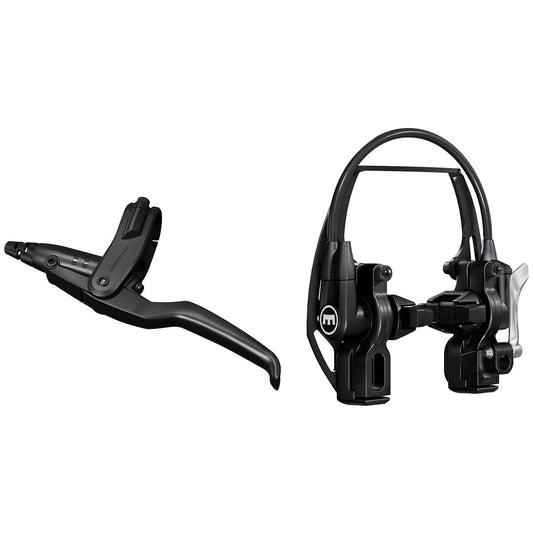
MAGURA HS11 EASY MOUNT Front or Rear Brake Black
Regular price 1.528,00 CZKRegular priceUnit price per -
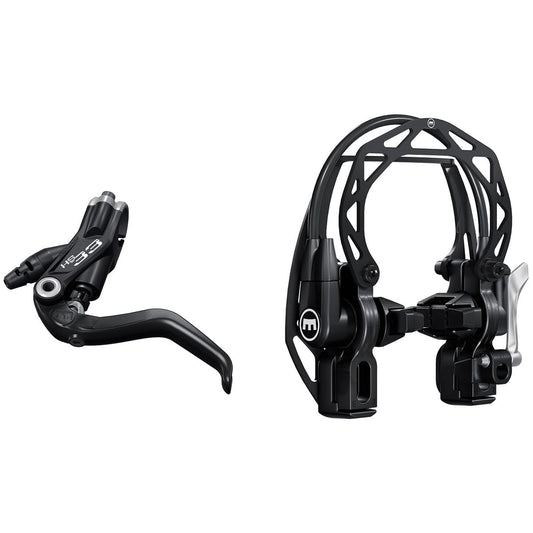
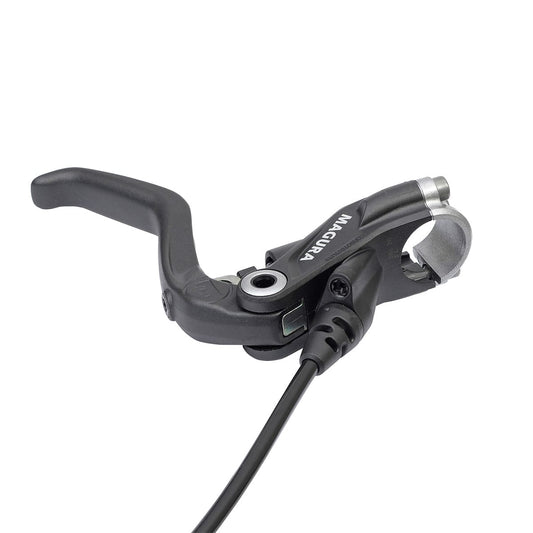
MAGURA HS33 2-Finger Front or Rear Brake Black
Regular price 2.408,00 CZKRegular priceUnit price per -

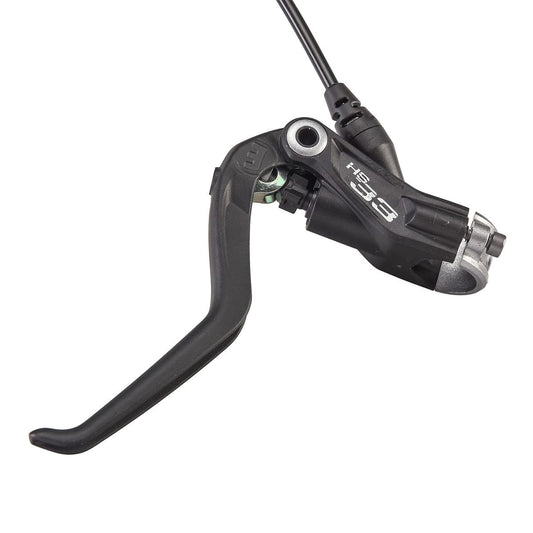
Front or Rear Brake MAGURA HS33 4-Finger Black
Regular price 2.408,00 CZKRegular priceUnit price per -
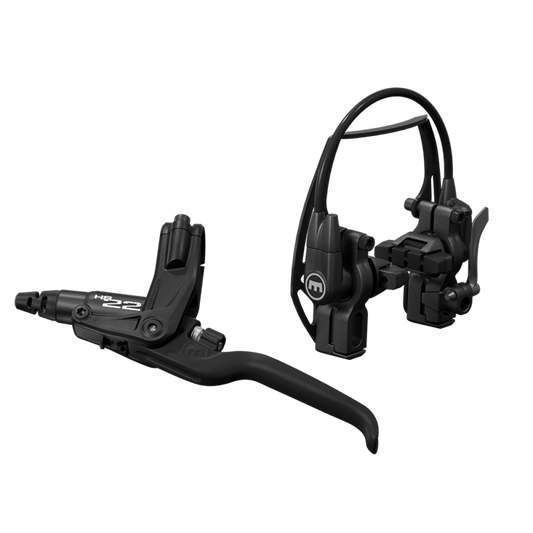
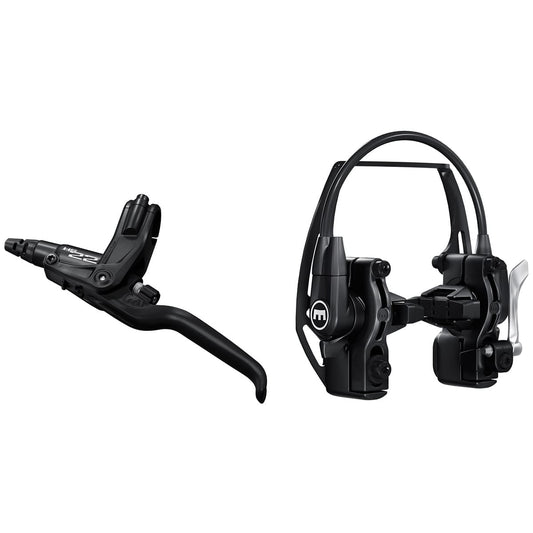
MAGURA HS22 EASY MOUNT Front or Rear Brake Black
Regular price 1.942,00 CZKRegular priceUnit price per -
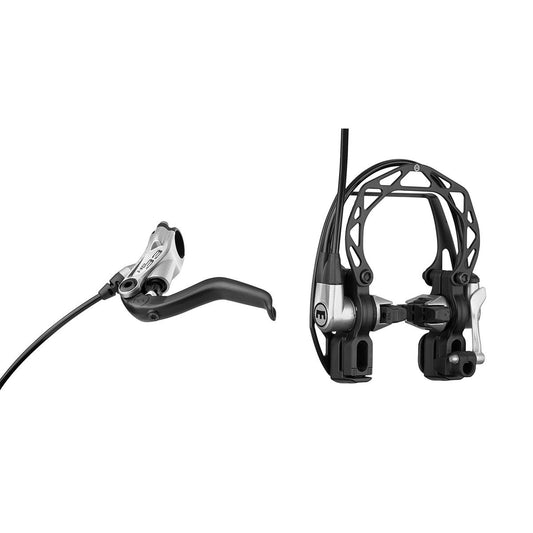
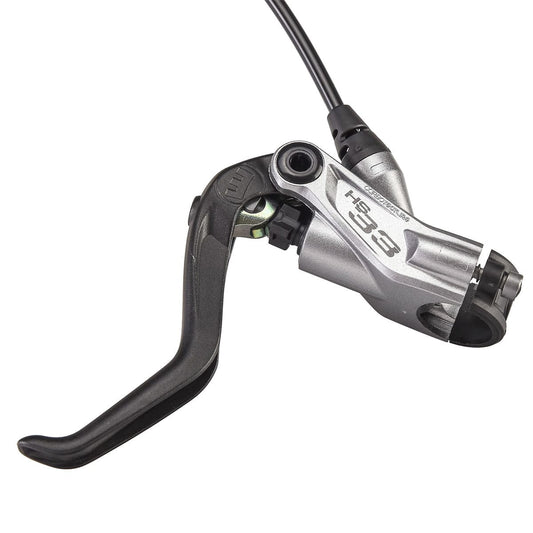
MAGURA HS33 2-Finger Front or Rear Brake Silver
Regular price 2.408,00 CZKRegular priceUnit price per -
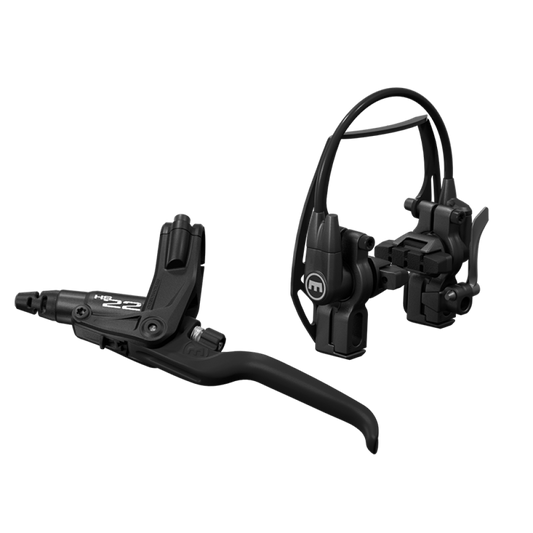
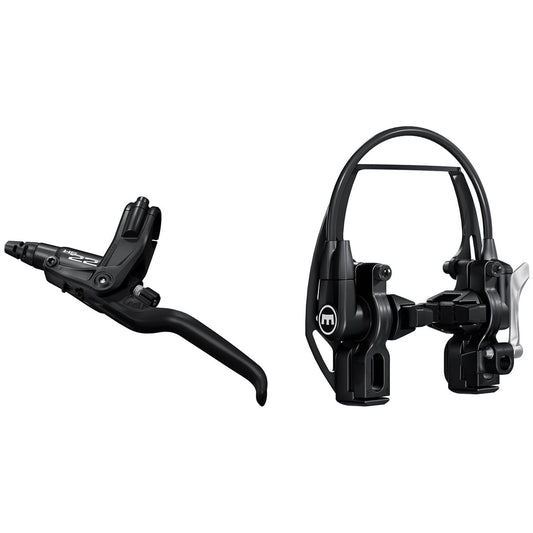
Front or Rear Brake MAGURA HS22 EVO2 Black
Regular price 1.942,00 CZKRegular priceUnit price per


